18+ adult fictional story · 1 min read
จดหมายฉบับสุดท้าย
ฉันจำลายมือนั้นได้ก่อนเปิดจดหมาย และเมื่ออ่านถึงย่อหน้าที่สาม ชีวิตเงียบๆ ของฉันก็ต้องยอมรับความจริง
จดหมายฉบับสุดท้าย
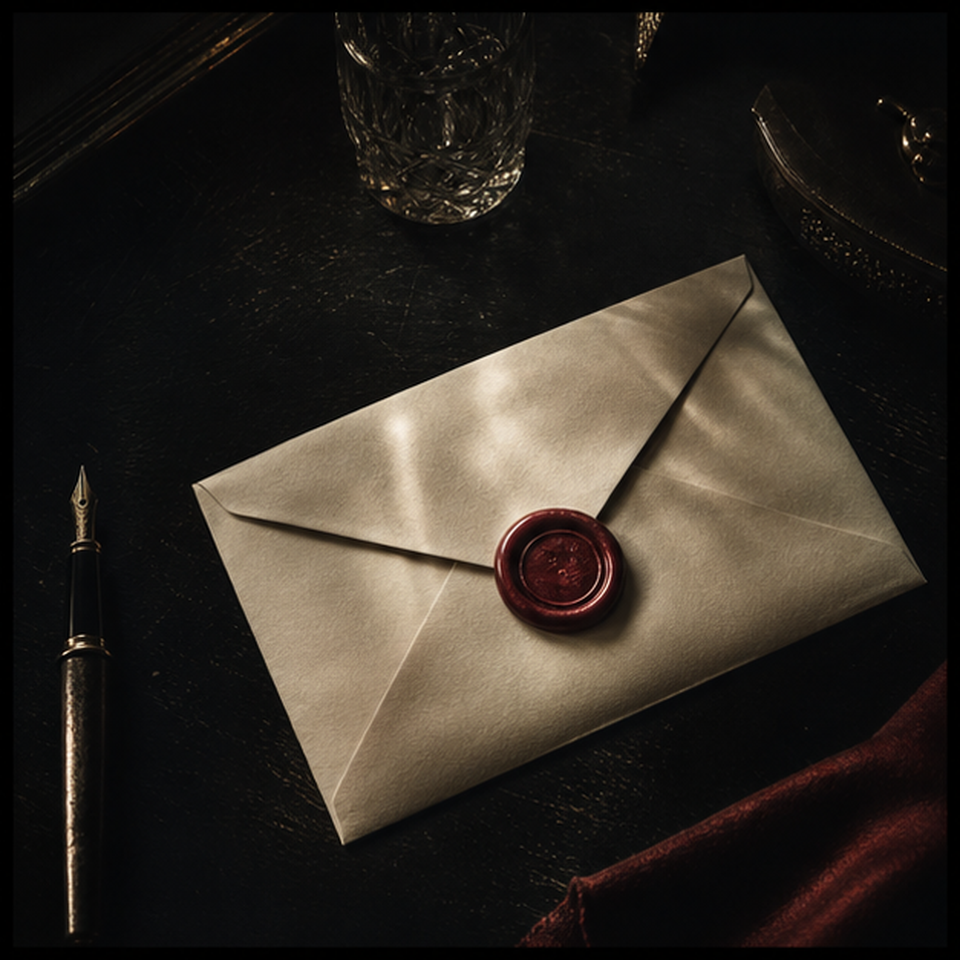
จดหมายฉบับสุดท้ายมาถึงโดยไม่มีที่อยู่ผู้ส่ง
ฉันจำลายมือนั้นได้ก่อนแตะกระดาษเสียอีก ตัวอักษรเอนตัวไปข้างหน้าเหมือนแคลร์เวลาพยายามไม่วิ่งหนี เส้นโค้งที่ใจร้อนเหมือนเดิม น้ำหนักกดลงบนขีดลงเหมือนเดิม ราวกับแม้แต่น้ำหมึกก็ต้องสารภาพอะไรบางอย่าง
ฉันรอจนบ้านจมลงสู่ความเงียบของกลางคืนก่อนจะเปิดมัน
มันคือความขี้ขลาดที่แต่งตัวเป็นพิธีกรรม ฉันรู้ตั้งแต่ตอนนั้น
จดหมายยาวเพียงสามย่อหน้า มันควรอ่านง่ายกว่านั้น แต่ทุกประโยคกลับลอดผ่านกำแพงที่ฉันใช้เวลาหลายปีสร้างขึ้นมา
เธอเขียนว่าจะออกจากเมืองนี้สิ้นสัปดาห์ เธอเขียนว่าเก็บจดหมายเก่าของฉันไว้ในกล่องสีน้ำเงินเหนือในตู้เสื้อผ้า เธอเขียนว่าเธอรักฉันอย่างเงียบๆ และไม่สะดวกสบาย แบบที่ผู้ใหญ่รักกันเมื่อรู้ดีว่าความต้องการสร้างความเสียหายได้มากแค่ไหน
ย่อหน้าที่สามคือสิ่งที่ทำให้ฉันพังทลาย
ถ้าคุณเคยสงสัยว่าฉันรู้ไหม ฉันรู้ ฉันรู้ทุกครั้งที่คุณอยู่ดึกเกินไปแล้วเรียกมันว่างาน ฉันรู้ทุกครั้งที่มือของคุณหยุดก่อนถึงมือฉันเพียงนิดเดียว ฉันรู้ เพราะฉันก็หยุดตัวเองเหมือนกัน
ฉันอ่านบรรทัดนั้นสี่รอบ
หลายปีที่ผ่านมา ฉันบอกตัวเองว่าความเงียบคือความเมตตา แคลร์มีชีวิตของเธอ ฉันมีชีวิตแต่งงานที่จบลงแล้วแต่ยังไม่มีใครเรียกชื่อมัน เราเป็นผู้ใหญ่ที่มีชื่อเสียง ครอบครัว และกิจวัตร ฉันคิดว่าการยับยั้งใจทำให้ฉันดูสูงส่ง
ความจริงเล็กกว่าและน่าเกลียดกว่านั้น ฉันแค่กลัวที่จะต้องการสิ่งที่ควบคุมไม่ได้
เย็นวันต่อมา ฉันเจอเธอที่สถานี เธอมี Suitcase ใบเดียวและกล่องสีน้ำเงินใบเดิมอยู่ใต้แขน สีหน้าเธอประหลาดใจ เหนื่อยล้า แล้วก็เกือบโล่งใจ
“ฉันคิดว่าจดหมายนั่นคือคำลา” ฉันพูด
“มันควรเป็นแบบนั้น”
“แล้วส่งมาทำไม”
เธอมองกล่องในอ้อมแขน “เพราะฉันอยากให้ส่วนหนึ่งของชีวิตรู้ความจริงก่อนที่ฉันจะไป”
ฉันอยากจูบเธอ อยากขอให้เธออยู่ต่อ อยากย้อนเวลากลับไปสิบปีแล้วเป็นคนที่ไม่ซ่อนตัวอยู่หลังคำว่าจังหวะเวลา
แต่สิ่งที่ฉันพูดคือ “ฉันก็รู้เหมือนกัน”
แคลร์หลับตา เสียงประกาศขบวนรถของเธอดังก้องเหนือเรา ชัดเจนและไม่สนใจใคร
“แค่นั้นไม่พอ” เธอบอก
“ฉันรู้”
ฉันจึงบอกเธอทุกอย่าง ไม่ใช่เพื่อขอร้อง ไม่ใช่เพื่อแลกเปลี่ยน แต่ในฐานะคำสารภาพที่ค้างชำระมานานจนมีน้ำหนักของมันเอง พอฉันพูดจบ ชานชาลารอบตัวเราก็ว่างเปล่า
เธอพลาดรถไฟขบวนนั้น
เราไม่ได้เรียกมันว่าโชคชะตา เราโตเกินกว่าจะใช้คำนั้น เราเรียกมันว่าคืนหนึ่งของความซื่อสัตย์ แล้วก็อาหารเช้า แล้วก็จดหมายอีกฉบับ ครั้งนี้ ฉันเป็นคนเขียนก่อน
Comments
Reader notes